BLOG
|

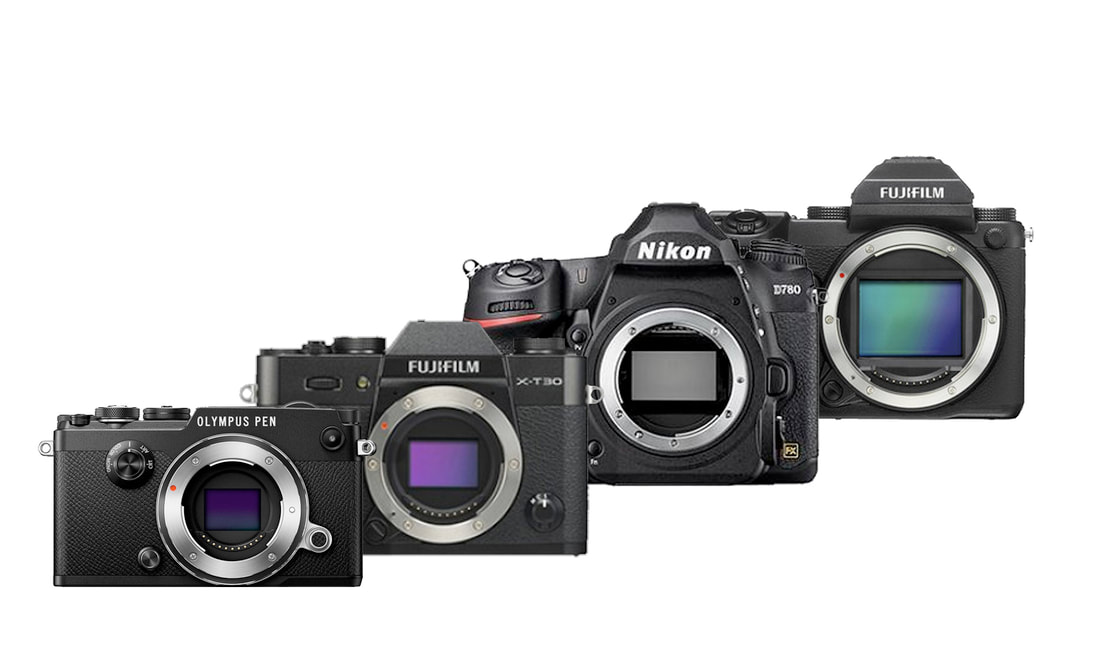 The original article that I wrote on buying a camera (see it on Photo Writing) was written seven year’s ago. Surprisingly, and despite the rise of mirrorless cameras, not all that much has changed in the intervening years. My advice then, remains pretty much the same now. Still, seven years in the digital world is a lifetime when it comes to the hardware and software that we use to create images. Due to a recent spate of emails requesting advice on what camera to buy, here is our (the Nature's Light team) ‘updated’ thoughts on buying a camera (particularly as a first time buyer). Below is a brief synopsis in table form. More detail below.
0 Comments
 It’s come a long since it was introduced to the Adobe suite (Photoshop 7.0 to be exact) in 2002. At that stage is magically blended your clone spot with the underlying pixels. I say magically, although in comparison to today’s voodoo like blending it was pretty rough. Still, it made the task of dust-spotting and cleaning up images infinitely easier than when we had to rely on careful clone-stamping at various opacity levels.
For those who are unaware of what it is, the healing brush is a specialised tool in Photoshop that, like the clone stamp, takes pixels from one point and overlays them on another point. In this way the photographer can ‘heal’ dust spots and other blemishes. 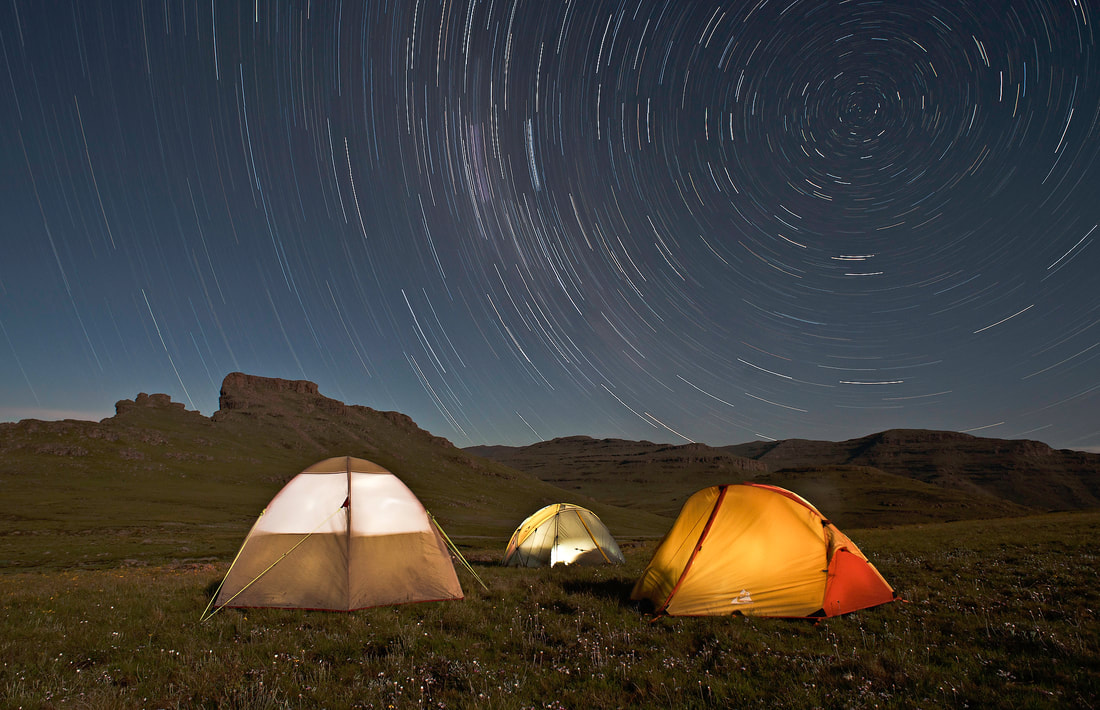 Amazing landscape images don't happen on their own. They require hard work in order to get to the right location. Sometimes harder work in order to wake up on time and a good deal of luck in order to get the right conditions so that they all fit together. Nature's Light runs workshops in several amazing locations to try and make it that much easier. However, we have a number of photographers who have indicated they would like to join one or more of us on a real adventure in the mountains, the kind we do on our off-time. Read on if you are interested in joining a trek in the Drakensberg Mountains to capture the mountain light.
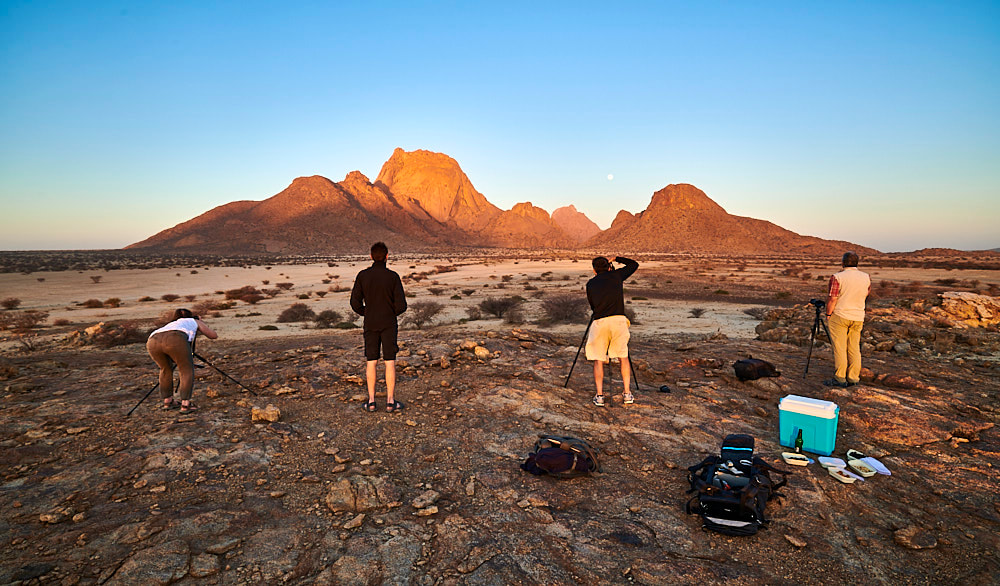 AS we enter November and mark a world that has been in effective lockdown since March this year, we can start to look ahead and hope that there is some glimmer of light at the end of the tunnel that is Covid-19. Here at Nature's Light we are cautiously optimistic that 6 months from now things will be slowly returning, if not to absolute 'normal', back to some sense of normality. Whether it is from a vaccine, better treatment or just plain hard-headedness by citizens, it is likely that travel and workshops will be happening by mid year 2021.
Deciding whether to travel or not is difficult on a number of counts. From a personal point of view, are you likely to be infected and fall sick in another country. This impacts on medical insurance and whether you are even able to get cover to travel at this time. From a broader point of view, even if you are what is deemed 'asymptomatic', are you further spreading the virus. With the above in mind, we do feel that by the time our workshops start again (all international workshops were postponed through to 2021) it is likely that both vaccine's and effective treatment will be available (our first cross-border workshop is only in April 2021). 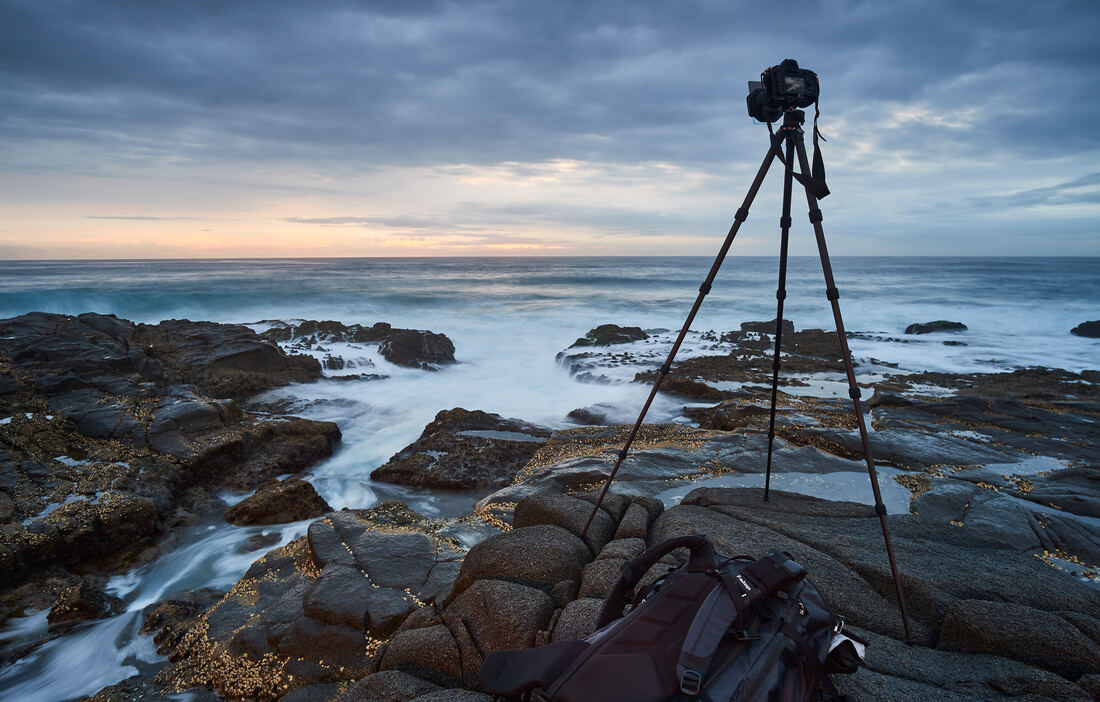 So you have decided that you need a new set of legs and you like what you see in the Leofoto Ranger series of carbon fibre tripod legs (If you want to know more about the Leofoto tripods you can read this primer on understanding what makes them different: https://landscapegear.co.za/blogs/news/introducing-the-ranger). Here comes the crunch then, The LS-324C and the LS-285C are the same price and have very little difference between them on paper. So how do you decide which one to go for? Let’s start by looking at the actual specs between the two sets of legs:
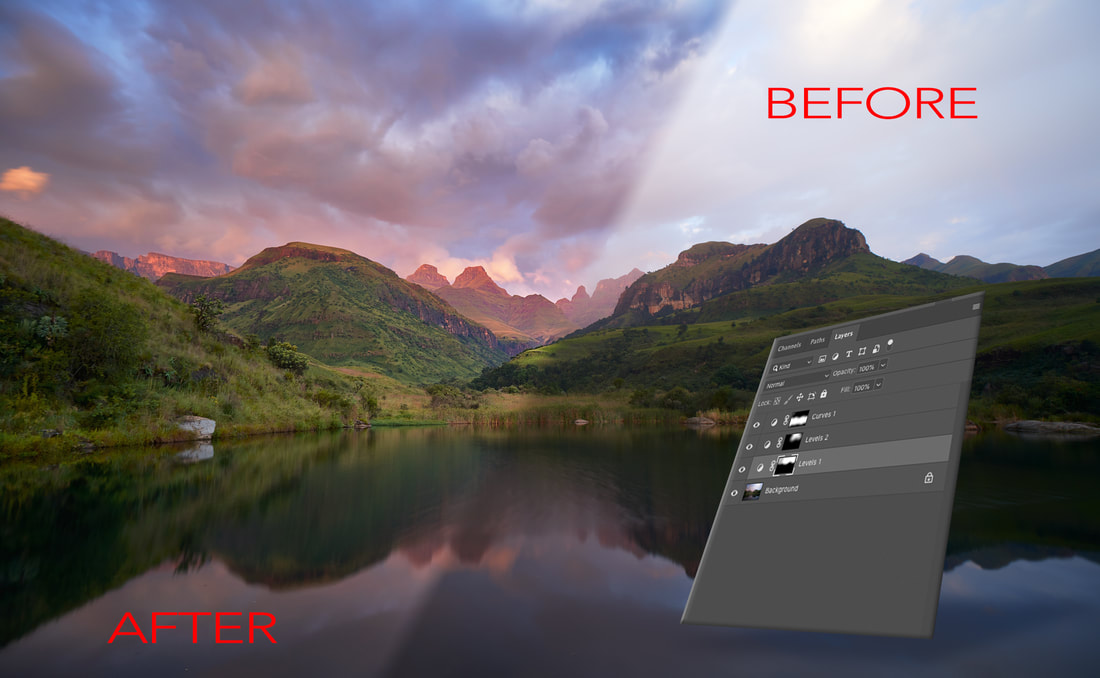 Editing in layers is a principle concept for being able to work in Photoshop. In this post we'll take a look at very basic masking techniques to start down the road of layered editing in Photoshop, or any other bitmap editor for that matter.
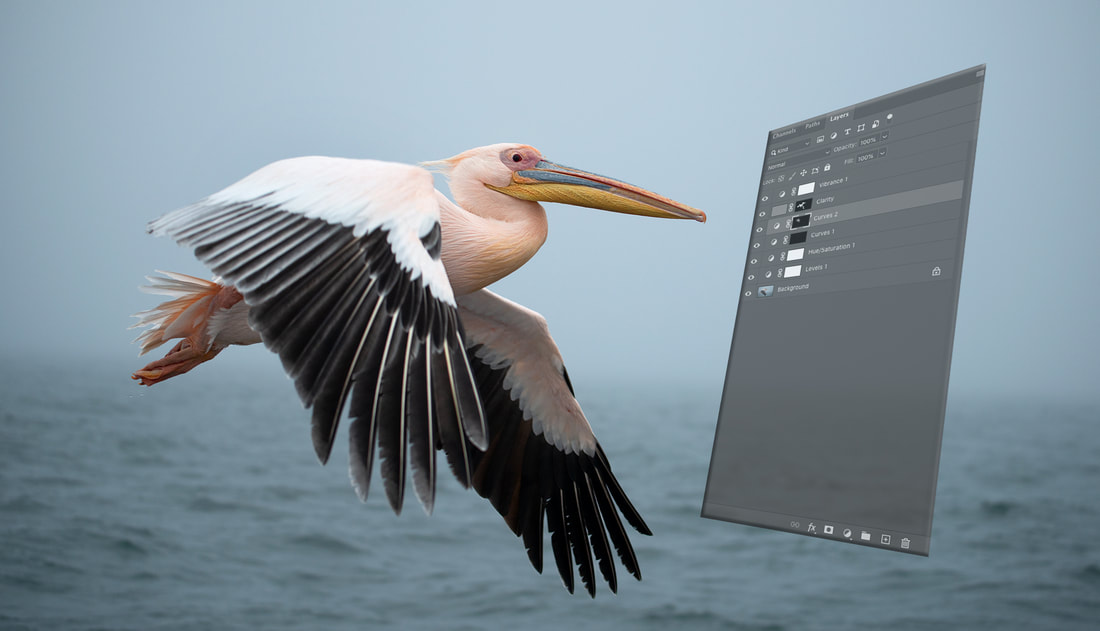 Understanding how to edit an image in Photoshop boils down to three core fundamentals, these being; layers, selections and adjustments. Everything that can be done in Photoshop, from the simplest edit to most complex of photo montages, revolves around the use of these three core features. Obviously there is more to layers, selections, and adjustments as you become more knowledgeable of Photoshop, but these are the building blocks that have to be understood in order to get any further in Photoshop editing.
 Due to the lock-downs facing a large swathe of the global population, we have tried to accommodate photographers who are wanting to improve some of their editing skills while they are confined to home. As such, we are moving the seminar sessions to online small group teaching sessions using the popular Zoom desktop app.
The calendar of sessions is still available on the site under the Seminar Sessions. the online sessions will remain small so as to keep the classroom atmosphere as well as the opportunity for participants to engage with the instructor.  When you are in a programme like Lightroom or Capture One, the use of presets becomes a quick and easy - as well as fast - way to make changes to images. Rather than changing every setting individually, a photographer can select a preset that they have created, or even bought, to reset several parameters to one or several images at a time. To say that saves time is an understatement. Taking all the time required to individually adjust images, the use of presets can literally save hours out of a week of editing.
|
Nature's Light
|
 RSS Feed
Services |
Company |
|